
Silverpoint

Course details
Duration
:
1 hour
Lectures
:
5
Video
:
1:33
Assignments
:
1
Quizzes
:
1
- Description
- FAQ
- Reviews
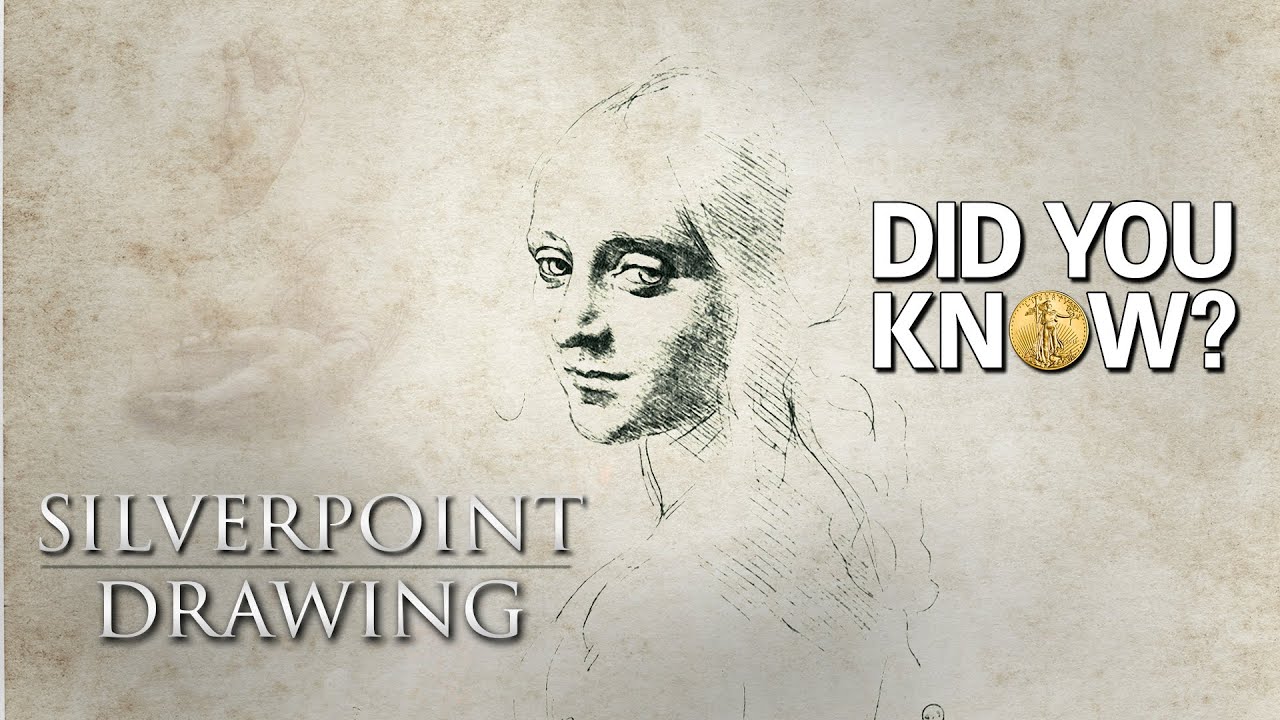
Silverpoint drawing is a traditional art technique that involves using a silver rod or wire to create marks on a prepared surface, often coated with a ground such as gesso. The medium produces fine, delicate lines that appear light grey when freshly drawn but tarnish over time to a soft brown or darker tone. Unlike graphite or charcoal, silverpoint does not allow for erasing, so artists must work with precision. It was popular during the Renaissance and was used by artists like Leonardo da Vinci and Albrecht Dürer for its ability to render detailed and subtle effects.
What is silverpoint, and how does it differ from other drawing techniques?
Silverpoint is a drawing technique using a silver-tipped tool on a prepared surface, creating delicate, precise lines. Unlike graphite or charcoal, silverpoint doesn’t allow for easy erasure or layering, making it a unique medium that produces faint, permanent marks that darken over time.
What materials are needed to start working with silverpoint?
Basic materials include a silver stylus or wire, a prepared surface (typically paper coated with a ground or primer), and sometimes additional metals for varied line tones. Historically, artists used bone dust, gesso, or a mix of pigments to prepare the surface.
How do silverpoint lines change over time?
Silverpoint lines oxidize as the silver reacts with the air, causing them to darken and develop a warm patina. This slow transformation gives silverpoint artworks a unique and timeless quality.
Why was silverpoint popular during the Renaissance, and why is it less common today?
Renaissance artists favored silverpoint for its precision and the fine detail it allowed. However, its popularity declined with the advent of graphite, which is more forgiving and versatile. Today, silverpoint is mainly used by artists interested in traditional techniques or who appreciate the medium's unique qualities.
What are some challenges artists face when working with silverpoint?
Silverpoint is unforgiving, as marks are difficult to erase or alter. Additionally, the light lines can be challenging to build up for contrast. Artists often need patience and precision, as well as a prepared surface that holds the silver effectively.
Please, login to leave a review


